
Capital for the systems sport actually runs on.
SportTech Gem Holdings backs the companies behind the turnstile: verifiable ticketing, fan identity, athlete ventures and the commercial infrastructure rights-holders depend on. We write first institutional cheques and stay for the hard part.
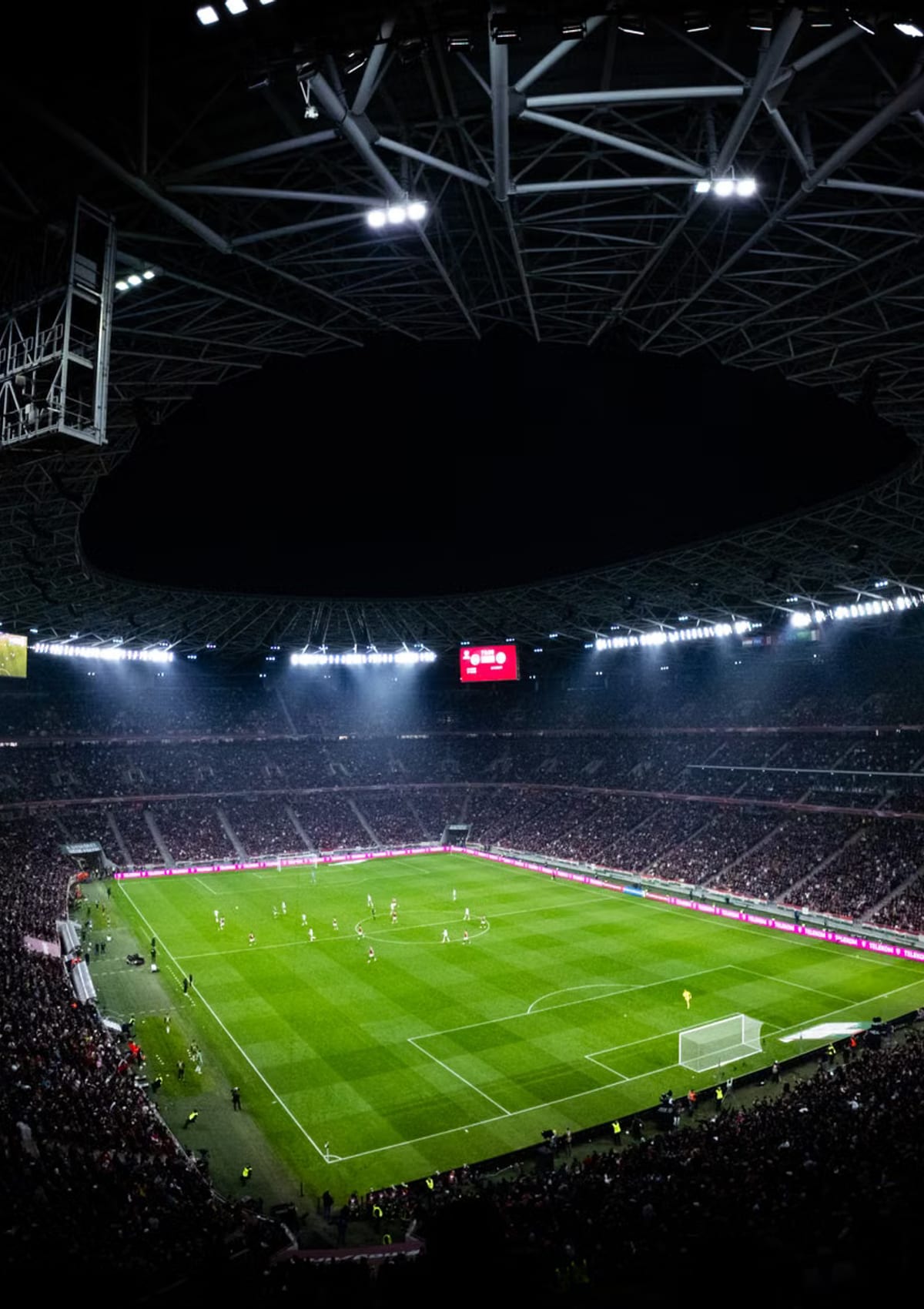
Our field of view Every seat in a modern venue is an identity, a payment and a transferable right. Most of the software that governs it was written for paper.
Our investment thesis in one sentence
Sport has always sold access. What changed is that access became a record — verifiable, portable and finally worth underwriting.
Where we invest
Six areas, one thesis. Each is a place where a rights-holder’s commercial relationship with a fan is being rebuilt in software, and where the incumbent system is a decade past its design life.
-
Seed & Series A
Priced rounds and post-money SAFEs where a first institutional cheque buys a meaningful minority position.
-
Verifiable Digital Ticketing
Cryptographically verifiable admission credentials, transfer policy engines and rights-holder-controlled resale.
-
Athlete & Brand Ventures
Companies built around athlete equity, name and likeness rights, and the operating businesses behind them.
-
Fan Engagement Platforms
Identity, loyalty and second-screen products that turn anonymous attendance into a consented first-party record.
-
Portfolio Operations
The support practice: hiring, commercial introductions, pricing work and readiness for the next round.
-
Exits & Secondaries
Fund lifecycle work: follow-on reserves, structured secondaries, strategic sale processes and distributions.
How we work
Four stages, deliberately short. We would rather give a founder a fast decline than a slow maybe, and we tell you at the first meeting which stage we are at.
First read
One conversation and a short written summary. We are testing whether the problem is structural to the industry or specific to one customer, and whether you have the standing to sell into rights-holders.
Diligence
Cohort and retention work, a technical session with your engineers, unit economics down to the transaction, and reference calls with the people who actually renew you: heads of ticketing, commercial directors, venue operations.
Decision
A written investment memo, circulated internally and then shared with you in summary. We put our concerns in writing so you can argue with them. Terms follow within a week of a yes.
After the wire
Reserves planned at entry, a hiring plan for the first four roles, and introductions sequenced so you do not burn a federation relationship on a demo you were not ready for.
Ticketing is the ledger sport forgot to build
A ticket is a bearer instrument. For most of the last century that was fine, because a paper stub could only be in one place at a time. Barcodes broke that assumption: a PDF can be copied indefinitely, and the industry answered with rotating barcodes and closed apps rather than with a credential that can prove its own provenance.
The result is a market where the primary seller loses sight of the buyer at the moment of transfer. A rights-holder can sell forty thousand seats and know almost nothing about who sits in them, because a large share moved through resale channels that return no identity, no consent and no contact record. Everything downstream — hospitality upsell, sponsorship valuation, safety and stewarding, dynamic pricing — is built on that blind spot.
If you cannot see the transfer, you cannot price the seat, protect the fan, or prove the sponsorship.
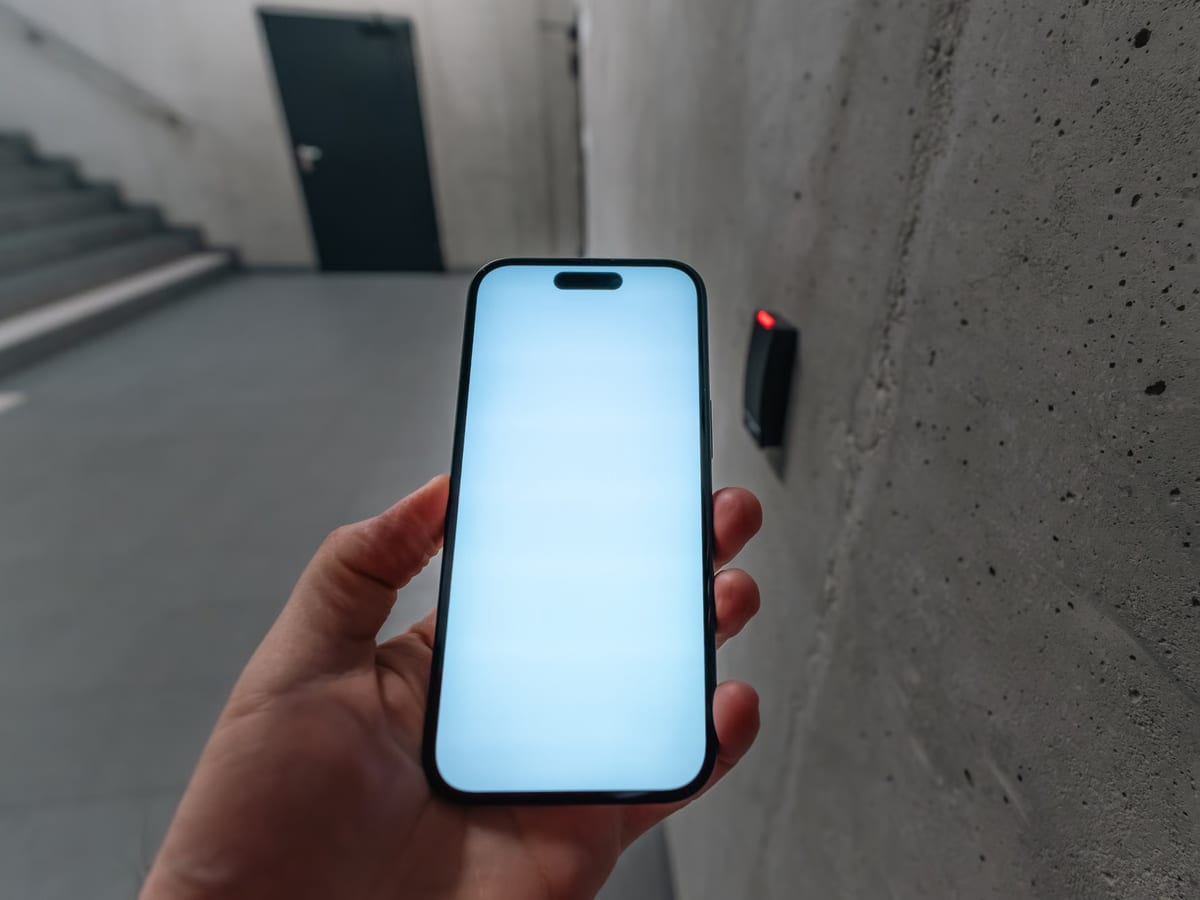
Verifiable digital ticketing changes the primitive. An admission credential that is cryptographically bound to an issuer and to a holder can carry policy with it: who may receive it, at what price ceiling, under what identity check, and what the issuer is owed when it moves. That is not a blockchain story for its own sake — it is a settlement and policy story that happens to need a tamper-evident record.
The commercial consequence is what interests us. Once transfer is observable and governable, resale stops being leakage and becomes an inventory channel the rights-holder controls. Fraud costs fall because a forged credential fails verification rather than failing at the gate. And the fan record survives the transfer, which is the only way loyalty programmes in this industry ever become real.
What we do after the round closes
Three areas of support, offered rather than imposed. Founders decide what they want; we hold ourselves to responding inside a working day.
Talent
The first commercial hires in this industry are unusually hard to find, because the good ones already work for a league, a venue operator or a ticketing incumbent.
- Scorecards and structured interview loops
- Sourcing from rights-holder and venue operations
- Compensation benchmarking for early sales roles
Go-to-market
Sport buys on a calendar. Pricing, pilots and procurement all have to fit around a season, a tender window and a competition’s governance cycle.
- Pricing and packaging for per-seat and per-event models
- Pilot design with exit criteria agreed in advance
- Tender and RFP response review
Rights-holder introductions
We make introductions sparingly and only when a company is genuinely ready, because a wasted first meeting with a federation can cost a founder eighteen months.
- Sequencing by competition calendar and budget cycle
- Warm routes to commercial and ticketing leadership
- Honest pre-briefing on what the buyer can actually sign
What we are writing about
Working notes from the investment team. No predictions, no market-size slides — mostly the arguments we are having internally.
- 26 August 2026 The Economics of Ticketing Fraud Ticketing
- 12 August 2026 Why Sports Technology, and Why Now Thesis
- 29 July 2026 Evaluating a Fan Data Moat Diligence
- 15 July 2026 The League Partnership Playbook Go-to-market
- 24 June 2026 Underwriting Hardware Risk Diligence
- 10 June 2026 Reading Secondary Market Signals Markets
What we look for, and what we don’t fund
Being explicit saves everyone time. If your company sits on the right-hand list, we are not the right firm, and there is no version of a warm introduction that changes that.
What we look for
- A buyer who signs, not a buyer who admires A named commercial or ticketing lead at a rights-holder with budget authority, and a contract that survives their departure.
- Distribution that compounds Each venue, club or federation you win should make the next one cheaper to win — through integrations, references or a data asset that improves with scale.
- Unit economics you can defend per transaction Gross margin after payment processing, fraud losses, support and any revenue share back to the rights-holder.
- Founders who have carried the operational risk People who have run a gate on a match day, closed a sponsorship, or shipped software into a stadium network under real constraints.
- A defensible position on fan data Clear consent, a lawful basis you can explain, and an honest answer to who owns the record when the contract ends.
What we don’t fund
- Speculative token issuance Anything whose primary economics depend on a tradable token appreciating rather than on a service someone pays for.
- Consumer gambling and prediction products Regulatory exposure we are not equipped to underwrite and, separately, not a business we want to be in.
- Franchise, team or rights ownership We buy equity in suppliers, not in clubs or media rights. Owning both would compromise our neutrality.
- Pure content studios Production businesses without a software or data layer that we can help scale.
- Pilots dressed as products Bespoke work for a single rights-holder with no path to a second customer on substantially the same code.
A note on what we don’t claim here
You will not find fund size, assets under management, internal rates of return or a portfolio logo wall on this site. Those figures belong in a data room, not on a public page, and publishing them selectively is how firms end up marketing rather than reporting.
Prospective limited partners can request our standard materials — strategy, team, terms, valuation policy and reporting cadence — by writing to contact@sporttechgem.com. We respond to institutional enquiries with a short call before sending anything, and materials are provided under NDA to qualified investors only. Nothing on this site is an offer to sell or a solicitation to buy any security or interest in any fund.
Frequently asked
What stage do you invest at?
We lead and co-lead at seed and Series A. In practice that means a company with a working product, a signed rights-holder or two, and enough usage data to argue about. We will look earlier when the team has built inside the industry before, and later when a company we already know is raising an inside round.
How large are your cheques?
We size a first cheque to secure a meaningful minority position without crowding out the founder or the rest of the syndicate, and we hold reserves of a similar order for follow-on. We do not publish a fixed number because the right cheque depends on the round structure, the ownership already committed, and how capital-intensive the business is.
Do you take a board seat?
When we lead, usually yes. When we participate, we normally take an observer seat or nothing at all. A board seat is a job, not a trophy: it comes with pre-read preparation, committee work and the obligation to be reachable between meetings. We do not take more seats than we can service properly.
How long does your process take?
From first meeting to a signed term sheet is typically four to six weeks. Reference calls and technical diligence account for most of it. If we are going to decline, we try to say so inside two weeks so you are not carrying us as a maybe.
Do you invest outside the United States?
Yes. Ticketing, federation software and fan platforms are structurally international, and some of the most interesting transfer-policy work is happening in European football and in domestic leagues across Asia-Pacific. We can transact in US, UK and EU structures.
Do you fund teams, clubs or leagues directly?
No. We are not a sports franchise investor and we do not buy rights. We invest in the companies that supply rights-holders — the ticketing platforms, identity layers, data infrastructure and commercial tooling — which means we can be a neutral partner to more than one club in the same competition.
What do you need to see in a first email?
A short description of what the product does, who pays for it, what the last three months of usage or revenue look like, how much you are raising and against what use of funds. A deck is welcome but not required. Please do not send confidential rights-holder contracts before we have spoken.
If you are building it, we would like to read about it.
Send a short note describing the product, the buyer and the round. We read everything that arrives and reply to every enquiry that includes those three things.