
Athlete & Brand Ventures
Operating companies built around athlete equity, name and likeness rights and the commercial machinery behind them — assessed as businesses, not as endorsements.
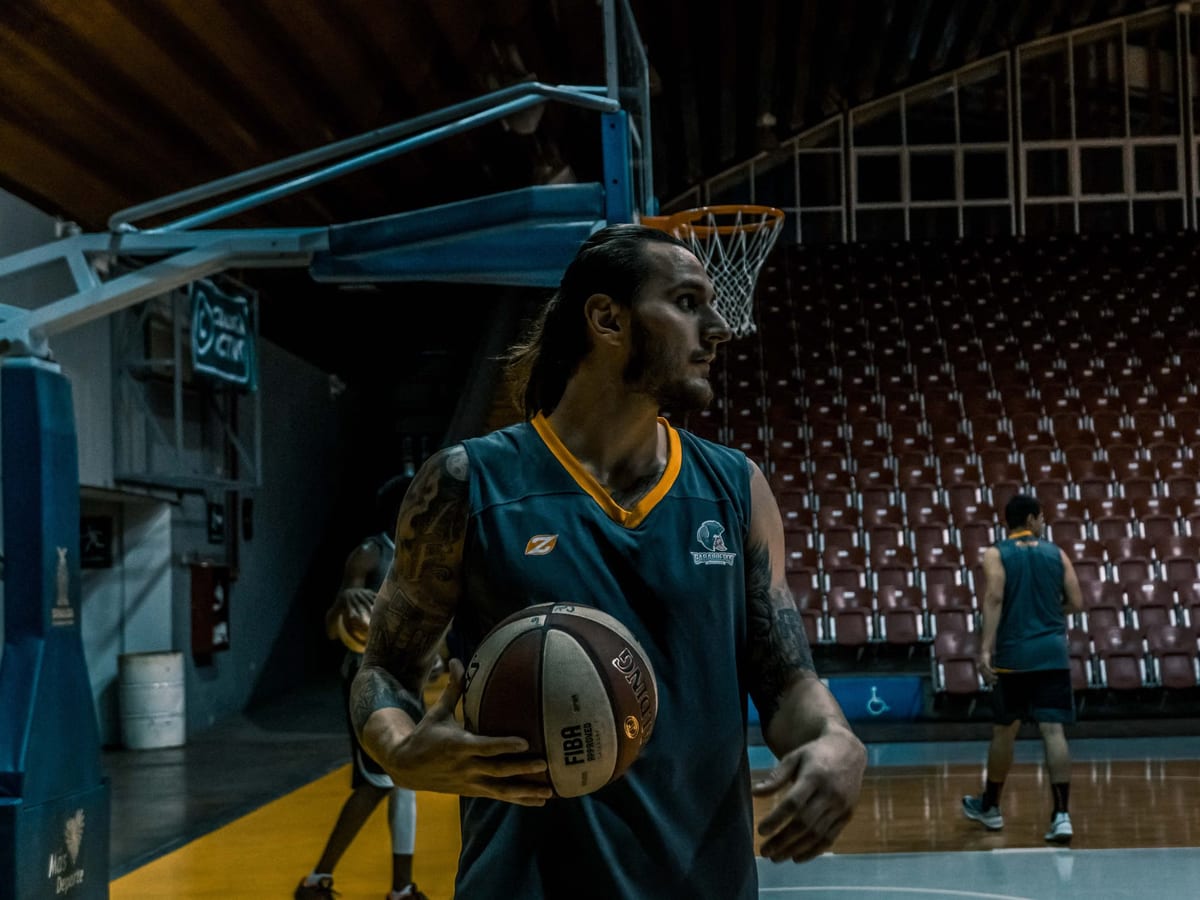
Athletes have moved from being paid to appear in businesses to owning them. The interesting version of that shift is not the celebrity investor; it is the operating company where an athlete’s name, audience and credibility are a genuine input to distribution, and where the commercial rights around them are properly documented.
We invest in those companies. We assess them the way we assess any other: who buys, what they pay, whether the second customer is cheaper than the first. The athlete association is a distribution advantage to be underwritten, not a reason to skip the analysis.
Where the value actually sits
Name, image and likeness rights are the obvious asset, and in the United States collegiate market they have become a functioning economy in their own right, with collectives, compliance obligations and a rapidly changing regulatory picture. But in most of the companies we look at, the durable value is in the operating layer around the rights: the licensing administration, the supply chain, the direct-to-consumer commerce stack, the rights-clearance workflow that lets a brand use an athlete’s likeness in a campaign in eleven markets without breaching a league’s collective agreement.
That operating layer is software and process. It is also where a company survives the athlete’s career ending, which is the single most important structural question in this practice area.
If the founding athlete stopped participating tomorrow — injury, retirement, a change of priorities, a reputational event — what fraction of next year’s revenue still arrives? If the honest answer is most of it, we are looking at a business. If it is none of it, we are looking at an endorsement with a cap table.
Cap table and rights hygiene
More athlete ventures fail on documentation than on demand. The recurring problems are consistent enough to list.
- Equity for services, undocumented Shares issued to an athlete or an agency in exchange for promotion, with no vesting, no service obligation and no clawback if the promotion never happens.
- Licences that are not licences Verbal or email permission to use a likeness, rather than a written grant with defined territory, media, exclusivity and term.
- Conflicting exclusivity A category exclusivity granted to a sponsor by the athlete’s personal agreement that conflicts with the company’s own product line.
- League and union constraints Collective bargaining agreements and competition regulations that restrict what an active player may endorse or own, especially in betting-adjacent, alcohol and supplement categories.
- Agency layers Management companies holding rights that the operating company assumed it had, discovered only during diligence for the next round.
We fix these before we invest, not after. It is unglamorous work and it is the reason several of these companies become financeable at all.
Brand risk, underwritten honestly
A business built around a person carries reputational correlation that a software business does not. We do not pretend to be able to price that precisely, and we are wary of firms that claim they can. What we do instead is structural: we look for revenue that is contractual rather than campaign-driven, for a management team that is not the athlete, for a licence that survives a change of circumstances, and for a board that can act without the founder being in the room.
What a good one looks like
A team where the athlete is genuinely engaged but not operationally load-bearing. A product with a repeat purchase or subscription behaviour rather than a launch spike. Rights documented to the standard a Series B lead’s counsel will accept. And a founder who can describe the business without mentioning follower counts — because audience is an input to customer acquisition cost, not a substitute for the metric itself.
We are comfortable participating rather than leading here when a specialist consumer investor is better placed to run the round. What we bring is the industry side: what a league will and will not permit, how a federation views a commercial arrangement involving its athletes, and which category exclusivities are about to become contested.
Building in athlete & brand ventures?
Tell us what you have shipped, who is paying for it and what you are raising. We read everything ourselves and answer with a written reason either way.