
Fan Engagement Platforms
Identity, loyalty and commerce products that turn anonymous attendance and viewership into a consented, first-party record a rights-holder actually owns.
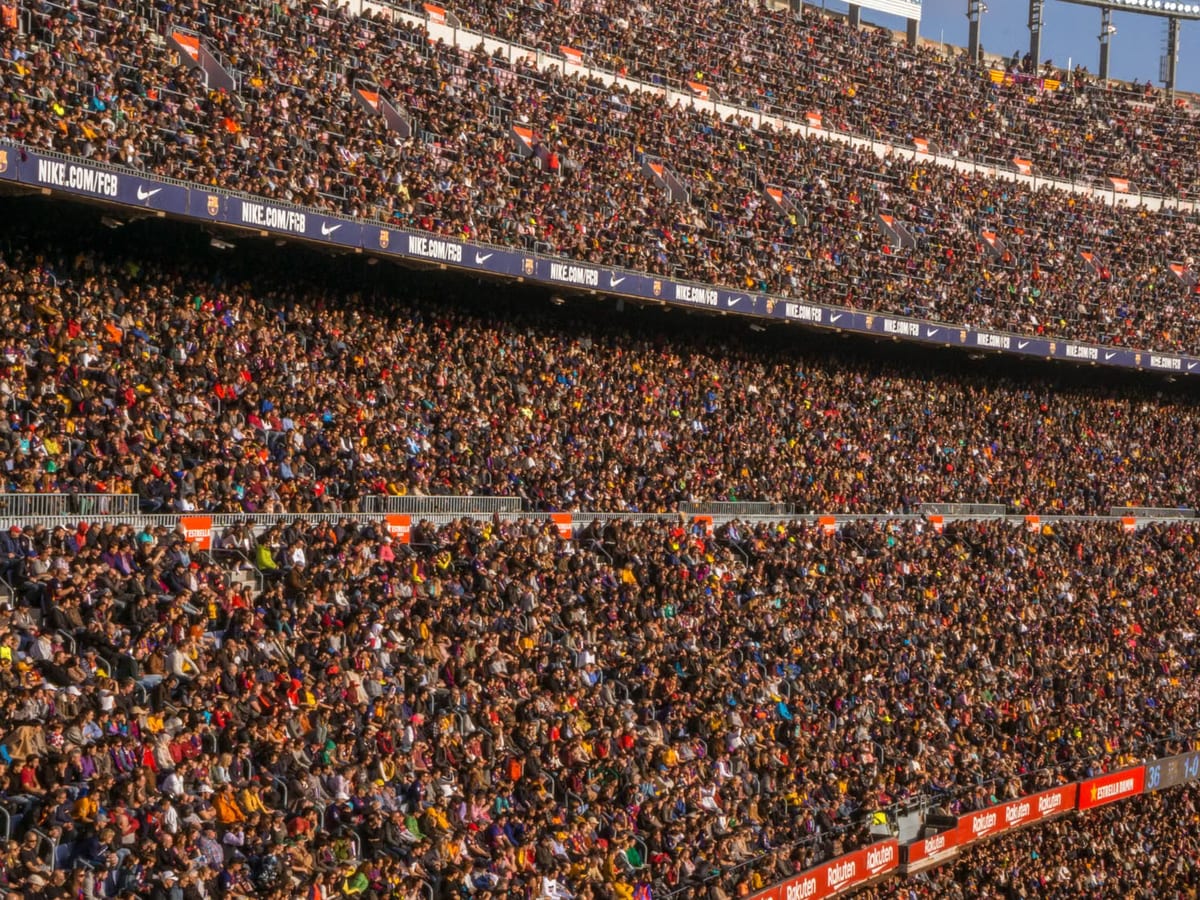
Rights-holders have enormous audiences and remarkably little first-party data about them. A club with fifty thousand people in a stadium and several million watching on a broadcast partner’s platform may hold direct, consented contact records for a small fraction of either. The audience is real; the relationship is intermediated.
Fan engagement platforms exist to close that gap. The good ones do it by making the fan’s experience better in a way that justifies the exchange of data. The bad ones do it by collecting whatever a broadcaster or ticketing partner will hand over, which is data the rights-holder is renting rather than owning and which disappears at the end of the contract.
Identity is the hard part
A single supporter can appear in a rights-holder’s systems as a season-ticket record, a retail account, a newsletter subscriber, an app install, a streaming login and half a dozen anonymous device identifiers. Resolving those into one person, with a defensible record of what each was consented for, is the actual product. Everything marketed as fan engagement sits on top of it.
We spend diligence time on the resolution logic and on the consent model, because they determine whether the asset is durable. Specifically: is consent captured per purpose or bundled into a single acceptance? Can a fan withdraw one purpose without losing the account? Does the platform store the legal basis alongside each attribute, and can it produce a per-person export inside a statutory deadline? These are GDPR and CCPA questions, and in this sector they are also commercial ones, because a rights-holder that cannot evidence consent cannot licence the audience to a sponsor.
Ask what happens to the fan record when the platform contract ends. If the rights-holder cannot export a complete, consented dataset in a usable format, the moat belongs to the vendor, not to the customer — and the renewal conversation will eventually turn hostile.
Loyalty that is not a points scheme
Sport has tried to import retail loyalty mechanics for two decades with limited success, largely because the scarce good is not a discount. It is access: a ballot position for a cup final, a training-ground visit, a seat upgrade, priority on an away allocation. Loyalty products that allocate genuinely scarce access, transparently and by a rule a supporter can understand, tend to work. Products that award points for buying a scarf tend not to.
The interesting technical consequence is that allocation needs to be auditable. When a ballot is oversubscribed by an order of magnitude, the rights-holder needs to be able to explain the outcome. We look favourably on products that treat allocation as a system of record rather than a marketing campaign.
Event-time constraints
Second-screen and in-venue products live or die on behaviour in a fifteen-minute window either side of a whistle. That means peak load that is orders of magnitude above baseline, on venue networks the company does not control, with a user who will not tolerate a spinner. We ask to see load-test evidence, cache strategy, and what the product degrades to when the connection fails. A graceful degradation story is a strong signal that the team has actually shipped into a stadium.
What we look for
- Consented growth Identified fan records growing faster than raw traffic, with a per-purpose consent rate the company can quote from memory.
- A commercial output Evidence that the data changes a decision — pricing, allocation, sponsorship valuation — rather than producing a dashboard nobody opens.
- Ownership on the customer’s side Contracts where the rights-holder owns the record and the vendor processes it, not the reverse.
- Multi-tenant discipline One codebase serving many rights-holders, with configuration rather than forks. Bespoke deployments are how these companies die.
This area overlaps heavily with ticketing, and several of the strongest companies we see began as one and became the other. We are comfortable with that, provided the founder is deliberate about which system of record they intend to own.
Building in fan engagement platforms?
Tell us what you have shipped, who is paying for it and what you are raising. We read everything ourselves and answer with a written reason either way.